















Sizing a van around what you are moving
List the largest items with rough length, width and height, and give an estimate of total weight, because bulk and payload limit a van in different ways. Mention anything awkward, such as a wardrobe that cannot be dismantled or long timber. Describe loading at both ends, including stairs, lift access, distance from the kerb and whether anyone will help lift.
Fitting the van to your route
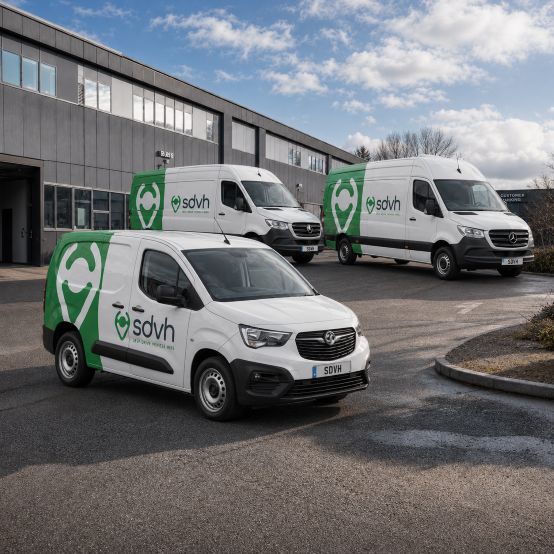
Start with the load, then choose the van. A small van works well for boxes, tools and light collections; medium and long-wheelbase vans suit furniture, stock and trade equipment; and a Luton is the better choice for bulkier items on a house move. Subject to dates, driver details and availability, the range includes the Volkswagen Caddy, Ford Transit SWB, VW Transporter Automatic, Ford Transit MWB and Ford Transit LWB. Make, model, transmission, seats, payload and licence position are all confirmed at quote stage, so treat these vehicles as a guide to the kind of hire on offer rather than a guaranteed reservation of a particular model.
Collecting a purchase from a seller
If a seller will only hold an item until the evening, your hire dates need to match that window rather than a general moving plan. Agree collection times in advance, ask if the item comes apart, and check that someone will be present to hand it over. Where several purchases from different sellers are involved, map out a route that fits sensibly into your hire period. Mention the nature of each collection when you enquire, because awkward shapes may point towards a particular van group. Ask the seller about parking or access at their end as well, since that shapes how quickly each stop can be handled.
One trip or several short runs
Comparing one larger van against several smaller trips is worth doing before any booking. A single run saves fuel and time when everything is ready at once, but multiple shorter trips can suit a phased move or collections spread across different days. Think about how many people can help, how far each leg is, and how much of the day the whole job needs. If goods are coming from more than one address, one consolidated trip may still work best when the timing lines up. The team can talk through both approaches once you describe your dates and load, so the option you choose reflects the job rather than habit.
Explore other van hire areas
What to confirm on the phone
Before the hire is confirmed, go over the key points: whether the vehicle is available, the driver requirements, mileage, insurance, the delivery or collection arrangements and any extras you have asked for. Make sure payload, loading height, tail-lift needs, driver details, deposits and insurance excess are confirmed before you settle on a van size. A clear request gives the date, the length of hire, a rough route, the delivery or pickup address, the passengers or load you expect and any special requirements that might affect which vehicle is suitable.