











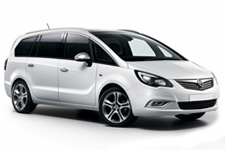
Matching a hire car to your passengers and luggage
Tell the team how many people will travel and how many cases, buggies or bulky bags you expect. Seating and boot space are separate questions. Say whether you need an automatic or are happy with a manual, and mention any child seat request early so it can be checked before you are quoted. Include details for every driver who may take the wheel.
How the right vehicle is confirmed
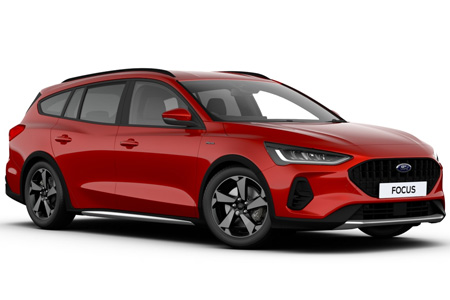
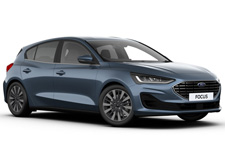
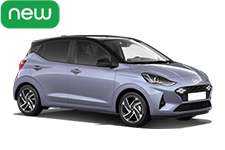
Start with the journey and pick the car to match it. Smaller cars are suited to city driving and short stays, automatics make local driving easier, estates and SUVs give more room for luggage, and people carriers are a better choice for families or small groups. The range available includes the Fiat 500, VW Golf, Ford Focus Estate, Ford Focus Automatic and Hyundai i10 Automatic, subject to dates, driver details and availability. The precise make, model, transmission, seating, payload and licence position are confirmed when you are quoted, so treat the vehicles listed as a guide to the kind of hire on offer rather than a guaranteed reservation of a particular model.
Choosing around driver preferences
Start by writing down who will actually be behind the wheel and what they like in a car. Some drivers want an automatic, others feel more confident with a manual; some prefer a higher driving position, others a smaller car for narrow streets. If two people will share the driving, note both preferences and any points of disagreement to raise with the team. Mention familiar features that matter day to day, such as parking sensors or a particular type of gearbox, and flag anything a driver would rather avoid. Preferences around seat height and boot access are worth recording too. Passing these notes to the team alongside your dates gives them a fuller picture and helps them suggest a vehicle group the main driver will be content with for the whole hire period.
Comparing everyday car sizes
Think about the car you use normally and how this trip compares. A household used to a small hatchback may find an estate excessive for a weekend, while a family that regularly fills an SUV will want similar room on holiday. Consider the everyday pattern: commuting, school runs, shopping trips and visits to relatives all place different demands on space. Count the usual occupants and the typical luggage for a week away, including anything stored on the back seats. Note whether rear passengers are adults or children, as legroom expectations differ. Sketching out a normal week alongside the trip itself gives the team a clear brief, and they can then confirm which vehicle group best matches both the routine and the journey you have planned.
Explore other car hire areas
Things to check before booking
Before you confirm the hire, check the key details: vehicle availability, driver requirements, mileage, insurance, delivery or collection arrangements and any extras you have asked for, along with driver age, licence history, the deposit, the insurance excess and any travel abroad. A clear request gives the date, the length of hire, the rough route, the delivery or pickup address, the expected passengers or load, and any particular requirements that might affect which vehicle is suitable.