















Sizing a van around what you are moving
List the largest items with rough length, width and height, and give an estimate of total weight, because bulk and payload limit a van in different ways. Mention anything awkward, such as a wardrobe that cannot be dismantled or long timber. Describe loading at both ends, including stairs, lift access, distance from the kerb and whether anyone will help lift.
Fitting the van to your route
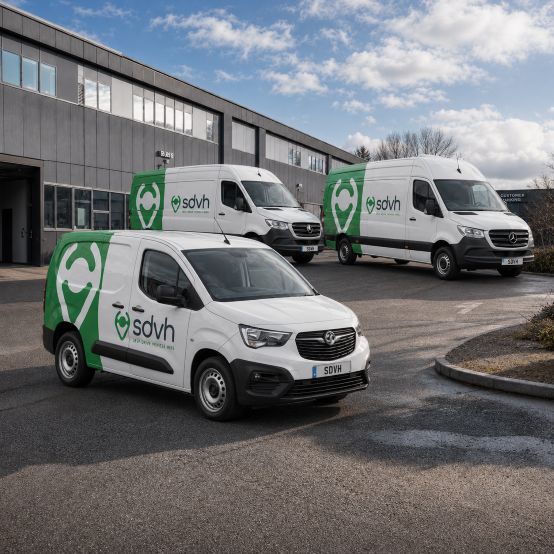
Start with the load, then choose the van. A small van works well for boxes, tools and light collections; medium and long-wheelbase vans suit furniture, stock and trade equipment; and a Luton is the better choice for bulkier items on a house move. Subject to dates, driver details and availability, the range includes the Volkswagen Caddy, Ford Transit SWB, VW Transporter Automatic, Ford Transit MWB and Ford Transit LWB. Make, model, transmission, seats, payload and licence position are all confirmed at quote stage, so treat these vehicles as a guide to the kind of hire on offer rather than a guaranteed reservation of a particular model.
Allowing proper time for packing and loading
Begin with an honest list of what needs to go into the van, room by room, and an idea of how long each part of the job will take. Packing almost always runs beyond first estimates, particularly when boxes, wrapping and dismantling are involved. Build that into your hire period rather than aiming for a single rushed hour. Think about the order things will be needed at the other end too, since loading with the destination in mind saves double handling later. If the move involves several stops, allow time for each one and for finding access when you arrive. Sharing your rough timings with the team helps them suggest a hire duration that fits the job. A realistic schedule protects you from watching the clock while the van sits half loaded.
Coordinating helpers for the day
Who is actually available to help on the day of the move? Confirming this early shapes everything else. Ask each person when they can start and how long they can stay, then arrange the schedule around the most reliable commitments. Make sure everyone knows the address at both ends and any instructions about access or parking that you have gathered. It also helps to agree who will handle each part of the job, from packing the last boxes to directing the unloading, so the day runs without duplication. If a helper drops out, having a spare plan avoids a scramble. When you speak to the team about the van, mentioning how many people are involved gives useful context for the vehicle and duration they suggest.
Explore other van hire areas
What to confirm on the phone
Before the hire is confirmed, go over the key points: whether the vehicle is available, the driver requirements, mileage, insurance, the delivery or collection arrangements and any extras you have asked for. Make sure payload, loading height, tail-lift needs, driver details, deposits and insurance excess are confirmed before you settle on a van size. A clear request gives the date, the length of hire, a rough route, the delivery or pickup address, the passengers or load you expect and any special requirements that might affect which vehicle is suitable.