













Matching a hire car to your passengers and luggage
Tell the team how many people will travel and how many cases, buggies or bulky bags you expect. Seating and boot space are separate questions. Say whether you need an automatic or are happy with a manual, and mention any child seat request early so it can be checked before you are quoted. Include details for every driver who may take the wheel.
How the right vehicle is confirmed
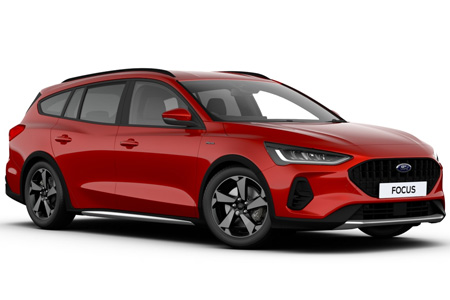
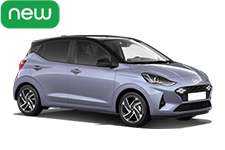
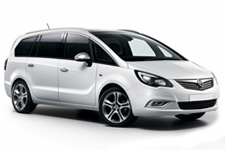
Start with the journey and pick the car to match it. Smaller cars are suited to city driving and short stays, automatics make local driving easier, estates and SUVs give more room for luggage, and people carriers are a better choice for families or small groups. The range available includes the Fiat 500, VW Golf, Ford Focus Estate, Ford Focus Automatic and Hyundai i10 Automatic, subject to dates, driver details and availability. The precise make, model, transmission, seating, payload and licence position are confirmed when you are quoted, so treat the vehicles listed as a guide to the kind of hire on offer rather than a guaranteed reservation of a particular model.
Travelling with more than one passenger
How many people ride along shapes the vehicle you choose more than almost anything else. A couple with weekend bags travels light, whereas a family with children, car seats and a boot full of shopping needs considerably more room. Count your regular passengers first, then consider occasional ones, such as grandparents joining a Sunday outing. If the car will sometimes carry four adults and sometimes just the driver, say so, because the team can weigh up which group suits both uses. Think about legroom for taller passengers on longer runs too. Describing your usual travelling party when you enquire helps narrow the choice quickly and avoids outgrowing the car mid-week.
Keeping a flexible day plan
A hire period gives you freedom to change plans, so build a little slack into your itinerary rather than scheduling every hour. If a visit might run long, or you fancy an unplanned detour, a loose plan absorbs this without stress. Note which days hold fixed commitments, such as appointments or collections, and keep the rest open. When several drivers share the car, a shared calendar entry for key bookings prevents clashes. It also helps to check the return arrangements early, so the final day is not spent rushing. Mentioning your rough pattern of use to the team lets them confirm timings that match how you actually intend to drive.
Explore other car hire areas
Things to check before booking
Before you confirm the hire, check the key details: vehicle availability, driver requirements, mileage, insurance, delivery or collection arrangements and any extras you have asked for, along with driver age, licence history, the deposit, the insurance excess and any travel abroad. A clear request gives the date, the length of hire, the rough route, the delivery or pickup address, the expected passengers or load, and any particular requirements that might affect which vehicle is suitable.