












Matching a hire car to your passengers and luggage
Tell the team how many people will travel and how many cases, buggies or bulky bags you expect. Seating and boot space are separate questions. Say whether you need an automatic or are happy with a manual, and mention any child seat request early so it can be checked before you are quoted. Include details for every driver who may take the wheel.
Finding a car to suit the trip
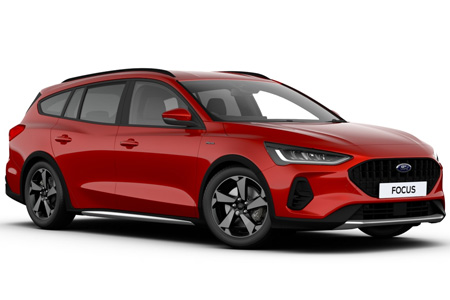
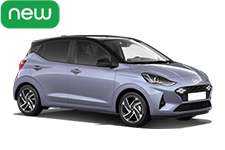
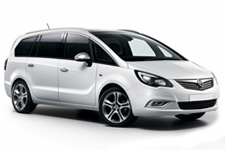
Start with the journey and pick the car to match it. Smaller cars are suited to city driving and short stays, automatics make local driving easier, estates and SUVs give more room for luggage, and people carriers are a better choice for families or small groups. The range available includes the Fiat 500, VW Golf, Ford Focus Estate, Ford Focus Automatic and Hyundai i10 Automatic, subject to dates, driver details and availability. The precise make, model, transmission, seating, payload and licence position are confirmed when you are quoted, so treat the vehicles listed as a guide to the kind of hire on offer rather than a guaranteed reservation of a particular model.
Deciding what to pack for a short break
The first decision is usually whether you are packing for a fixed itinerary or leaving room for spontaneity. A short break with a set plan calls for less luggage, while a looser trip may mean extra layers, walking gear or equipment for whatever you might try. Lay everything out before it goes in a case and remove anything you cannot justify, since space in any car fills quickly once several people are travelling. Keep valuables and documents in a small bag that stays with you rather than in the boot. Note your final bag count and sizes, because that information is genuinely useful when discussing vehicle groups. The team can then talk through options that match what you are bringing.
Keeping your day plans flexible
It pays to build some give into your daily schedule rather than filling every hour. Decide which commitments are fixed, such as a booked table or a timed visit, and which could move if the morning runs long. Leave gaps between activities so a longer lunch or an unplanned stop does not force you to drop something later. If others are travelling with you, agree in advance which plans are negotiable so you are not debating it on the road. A flexible outline also absorbs hold-ups like traffic or a slow start without anyone feeling rushed. Sharing your rough schedule during the enquiry helps the team suggest a hire period that covers everything comfortably.
Explore other car hire areas
What to confirm on the phone
Before you confirm the hire, check the key details: vehicle availability, driver requirements, mileage, insurance, delivery or collection arrangements and any extras you have asked for, along with driver age, licence history, the deposit, the insurance excess and any travel abroad. A clear request gives the date, the length of hire, the rough route, the delivery or pickup address, the expected passengers or load, and any particular requirements that might affect which vehicle is suitable.