




Matching a hire car to your passengers and luggage
Tell the team how many people will travel and how many cases, buggies or bulky bags you expect. Seating and boot space are separate questions. Say whether you need an automatic or are happy with a manual, and mention any child seat request early so it can be checked before you are quoted. Include details for every driver who may take the wheel.
Picking a suitable car
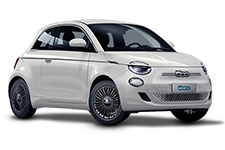
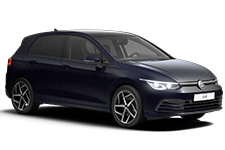
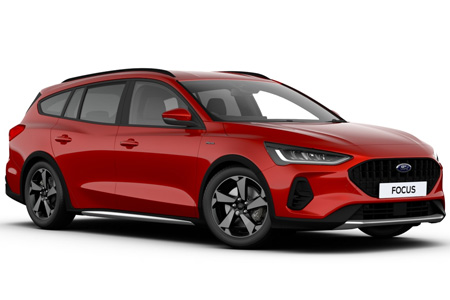
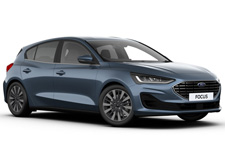
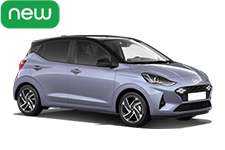
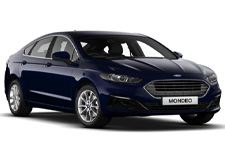
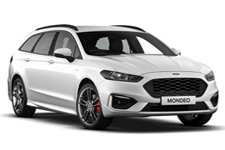
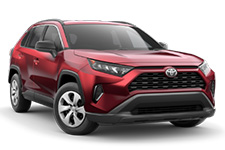
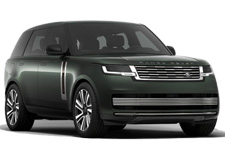
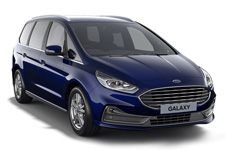
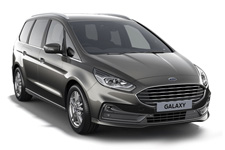
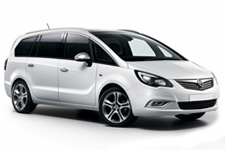
Start with the journey and pick the car to match it. Smaller cars are suited to city driving and short stays, automatics make local driving easier, estates and SUVs give more room for luggage, and people carriers are a better choice for families or small groups. The range available includes the Fiat 500, VW Golf, Ford Focus Estate, Ford Focus Automatic and Hyundai i10 Automatic, subject to dates, driver details and availability. The precise make, model, transmission, seating, payload and licence position are confirmed when you are quoted, so treat the vehicles listed as a guide to the kind of hire on offer rather than a guaranteed reservation of a particular model.
Working out the right size of car
If you are deciding between a compact car and something larger, start with how the vehicle will actually be used. A daily commute with one driver and a briefcase points towards a smaller option, while a week of family travel with luggage and passengers points the other way. Consider the number of regular occupants, the typical boot load, and whether you prefer an automatic or a manual gearbox. Each of these details narrows the range before you speak to anyone. When you enquire, mention the body styles you are weighing up and the team can confirm what falls within each group. Thinking in terms of your own weekly routine, rather than general impressions of car categories, usually produces a choice you are happy with for the whole hire period.
Travelling with children and bags
Travelling with children adds a layer of planning beyond the usual luggage count. Work out who sits where, whether you need child seats, and how much room the seats take up once fitted. Then add the bags: pushchairs, changing bags, activity packs and snacks all consume space quickly on a longer journey. It helps to tell the team the ages of the children and the type of seats you intend to bring, since this affects which vehicle groups make sense. If the boot needs to hold a pram as well as suitcases, mention that too. A brief description of your family setup at the enquiry stage gives the team enough to suggest something that works, and saves reorganising everything on the day of travel.
Explore other car hire areas
Last checks before booking
Before you confirm the hire, check the key details: vehicle availability, driver requirements, mileage, insurance, delivery or collection arrangements and any extras you have asked for, along with driver age, licence history, the deposit, the insurance excess and any travel abroad. A clear request gives the date, the length of hire, the rough route, the delivery or pickup address, the expected passengers or load, and any particular requirements that might affect which vehicle is suitable.