
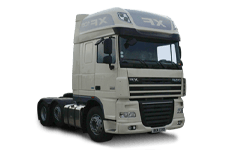
Details to confirm before a truck or lorry quote
Describe the load by weight, dimensions and packing, whether palletised, loose or crated. Ask the recipient whether unloading will be by forklift, at a loading dock or by hand, and whether their site has height, length or weight limits for delivery vehicles. Provide driver licence details and say whether the hire is for business use, so the team can confirm driver and operator requirements with you before booking.
Fitting the truck to your route
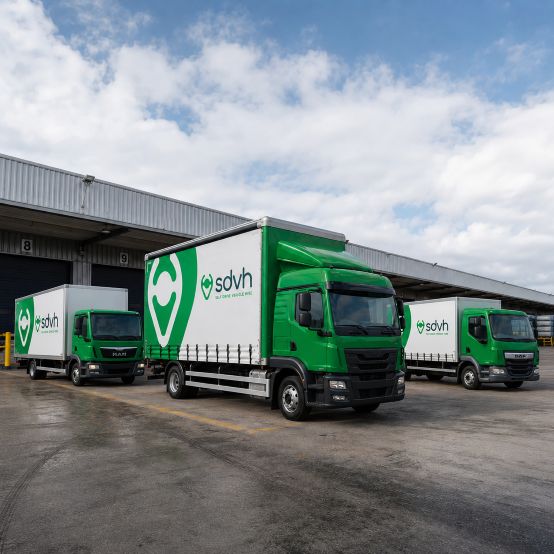
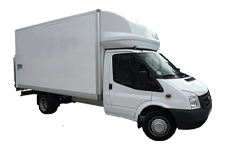
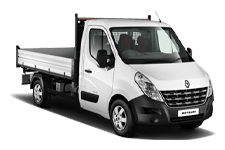
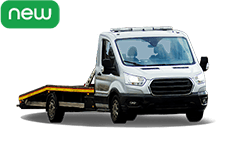
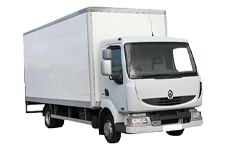
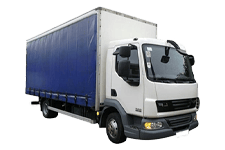
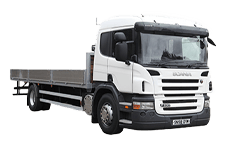
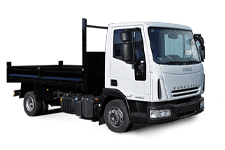
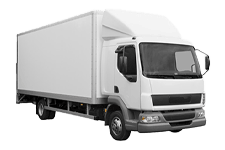
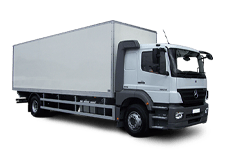
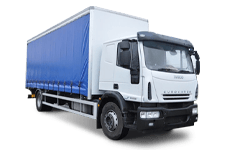
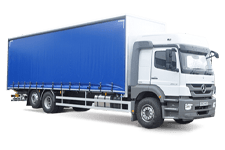
Weight, body type and access should shape your choice of truck. A tail-lift box suits heavier loads that need handling, a curtain-side works well for palletised deliveries, a dropside helps with site access, and bigger trucks may need operator licence checks. Depending on dates, driver details and availability, the range covers the Ford Luton 3.5 Tonne Box with Tail Lift, 3.5 Tonne Tipper Transit Truck, 3.5 Tonne Recovery Truck, 7.5 Tonne Box Truck With Tail Lift and 7.5 Tonne Curtain Side Truck. Because the exact make, model, transmission, seats, payload and licence position are only confirmed at quote stage, the vehicles listed show the type of hire available and are not a guaranteed reservation of a specific model.
Describing the load accurately
A clear description of the load is the foundation of any truck hire conversation. Start with what the goods are, roughly how much space they occupy and how they are packed, whether on pallets, in crates or loose. Note anything fragile, tall or irregular in shape, as these characteristics influence which vehicle body makes sense. If the load is mixed, describe the heaviest items and the bulkiest ones separately, since a dense load and a bulky load present different planning questions. It also helps to say whether the goods are already assembled for transport or still need to be gathered together. Providing this detail on the booking call allows the team to check the vehicle class and hire terms properly against your actual requirements.
Coordinating arrival with a recipient
Once the load is described, the next planning step is a conversation with whoever is receiving the goods. Ask them where a truck could pull up, who will be present at the agreed time and how they expect the unloading to proceed. Their answers matter because site conditions and staffing at the destination shape the timing of your route and the loading method you discuss on the booking call. It is worth agreeing a contact number for the day in case plans need to change at short notice. Pass what you learn to the team when you arrange the hire, as they can then reflect the access and timing details in the terms they confirm with you.
Explore other truck hire areas
What to confirm on the phone
Before you confirm your hire, check the essentials: vehicle availability, driver requirements, mileage, insurance, delivery or collection arrangements and any extras you have requested. Commercial truck hire also needs operator licence requirements, driver entitlement and delivery access confirmed, alongside mileage and insurance arrangements, before the hire is agreed. A clear request includes the date, the length of hire, the approximate route, the delivery or pickup address, the expected passengers or load, and any special requirements that could affect which vehicle is suitable.