
Details to confirm before a truck or lorry quote
Describe the load by weight, dimensions and packing, whether palletised, loose or crated. Ask the recipient whether unloading will be by forklift, at a loading dock or by hand, and whether their site has height, length or weight limits for delivery vehicles. Provide driver licence details and say whether the hire is for business use, so the team can confirm driver and operator requirements with you before booking.
How the right vehicle is confirmed
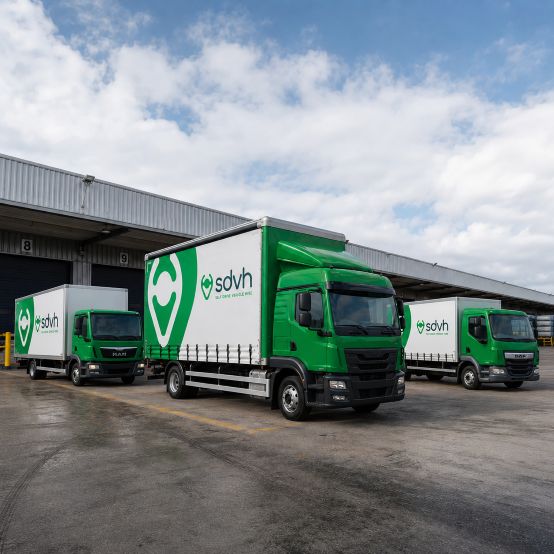
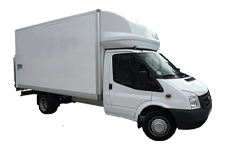
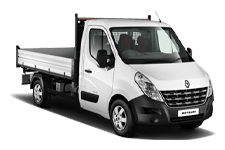
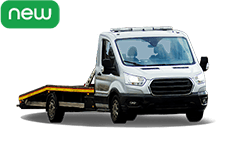
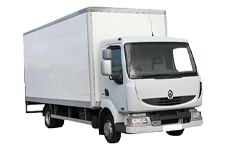
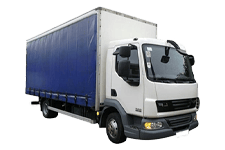
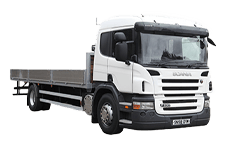
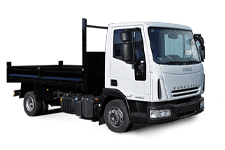
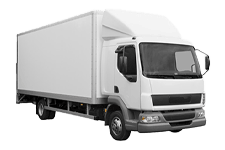
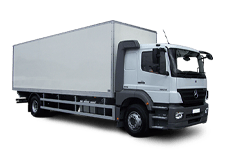
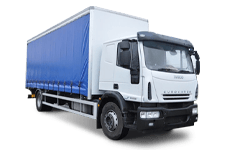
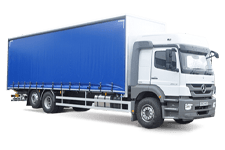
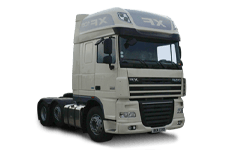
Which commercial vehicle suits you depends on the size of the load, any route restrictions and who will be driving. The smaller 3.5T options can suit many bulky moves, whereas 7.5T and heavier vehicles need closer checks on entitlement, operator requirements and delivery access. Subject to dates, driver details and availability, the range includes the Ford Luton 3.5 Tonne Box with Tail Lift, 3.5 Tonne Tipper Transit Truck, 3.5 Tonne Recovery Truck, 7.5 Tonne Box Truck With Tail Lift and 7.5 Tonne Curtain Side Truck. Because the exact make, model, transmission, seats, payload and licence position are confirmed at the quote stage, use the vehicle examples as a guide to the type of hire on offer rather than as a guaranteed booking of a specific model.
Things to check before booking
Before the hire is confirmed, check the main details: availability of the vehicle, what is required of drivers, mileage, insurance, delivery or collection arrangements and any extras requested. Weight, body style, mileage, cross-border use, driver status and commercial purpose can all alter truck terms, so these points should be checked before a vehicle is reserved. When making a request, include the date, how long you need the vehicle, the approximate route, the delivery or pickup address, the expected passengers or load, and any special requirements that could affect which vehicle is suitable.
Matching equipment to the load
The first question to settle is what the load actually requires beyond a cargo bed. Palletised goods point towards a vehicle that works with pallet trucks or a tail lift, while loose cartons, flat-pack furniture or long lengths of material create a different set of needs. Think through what will be at each end of the journey as well: if the receiving site has no handling equipment, that changes what you should plan for. When you contact the team, describe the load, its dimensions and weight, and ask what equipment options exist for the class of truck you are considering. They can check the hire terms around each option and talk through the route and any access notes with you before anything is arranged.
Describing the load in detail
A precise load description does more to shape a truck hire than almost anything else you can provide. Rather than estimating in vague terms, list what the consignment consists of, its heaviest and largest individual pieces, whether anything is stacked or single-item, and how it is currently packed. Add your route and any timing constraints, plus what you know about access at both ends. Where details are uncertain, such as final weights or site conditions, flag them as approximate rather than leaving them out. The team can then check the vehicle class, discuss what the hire terms cover and raise any questions with you by phone. A clear description at the outset keeps the rest of the arrangement straightforward.