
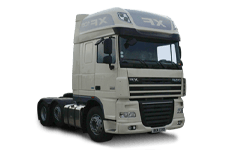
Details to confirm before a truck or lorry quote
Describe the load by weight, dimensions and packing, whether palletised, loose or crated. Ask the recipient whether unloading will be by forklift, at a loading dock or by hand, and whether their site has height, length or weight limits for delivery vehicles. Provide driver licence details and say whether the hire is for business use, so the team can confirm driver and operator requirements with you before booking.
Picking a suitable truck
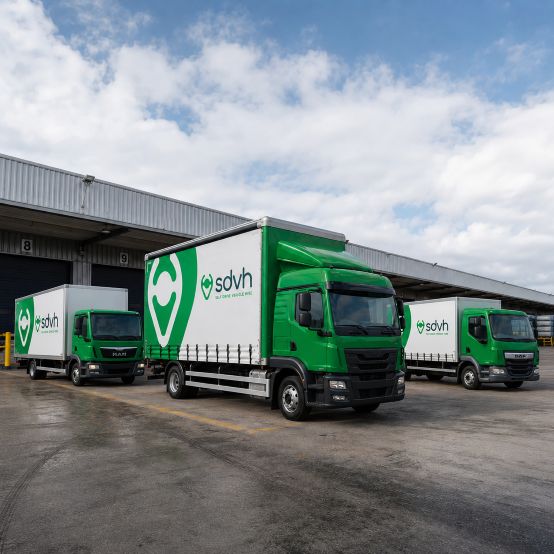
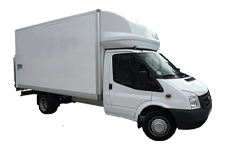
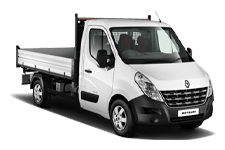
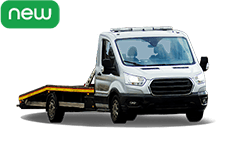
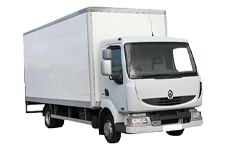
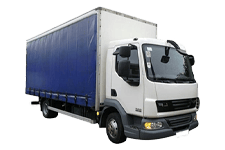
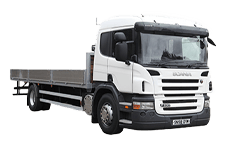
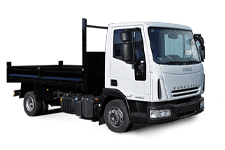
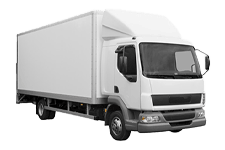
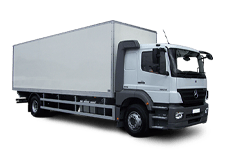
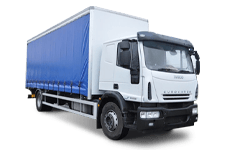
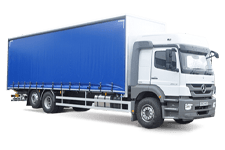
Let the job, not the headline size, guide your choice of truck. Ask about gross weight, body length, whether a tail lift is needed, load security, turning space and whether timed delivery windows affect which vehicle can be supplied. The range on offer includes the Ford Luton 3.5 Tonne Box with Tail Lift, 3.5 Tonne Tipper Transit Truck, 3.5 Tonne Recovery Truck, 7.5 Tonne Box Truck With Tail Lift and 7.5 Tonne Curtain Side Truck, depending on dates, driver details and availability. Make, model, transmission, seats, payload and licence position are all confirmed at quote stage, so treat the listed vehicles as a guide to the kind of hire available, not as a guaranteed reservation of a particular model.
Last checks before booking
Before your hire is confirmed, go over the key points: whether the vehicle is available, driver requirements, mileage, insurance, delivery or collection arrangements and any extras you have asked for. For truck hire, also establish whether the work involves pallet freight, site access, use of a tail lift, timed drops, long-distance mileage or any driver and operator checks before anything is agreed. A useful request gives the date, length of hire, rough route, delivery or pickup address, expected passengers or load, and any special requirements that might affect which vehicle is suitable.
Matching equipment to the load
Before selecting a truck, it helps to think through what the load actually involves and what equipment the job depends on. If pallets are involved, ask the recipient whether they have a forklift or pallet truck on site, or whether the goods need to arrive on the ground. For a removal, find out whether large items are expected at a loading door or carried to a specific room. These are questions for the people receiving the delivery, and their answers shape the body type that suits the job. When you speak to the team, describe the load in plain terms, including its rough size, how it is packed and what handling it will need at each end. That conversation lets the team suggest a vehicle whose equipment and layout line up with the reality of the job rather than an assumption.
Asking the right questions first
A truck hire enquiry goes smoothly when it starts with questions rather than a vehicle choice. Ask the destination contact about access: can a larger vehicle get close, is there a preferred arrival window, and who will be there to receive the goods? Then turn those answers into part of your enquiry, since the team can weigh them against the available body types and mileage terms. It is also worth clarifying who is driving and what the route involves, as these details feed into the checks the team carries out before you book. If any part of the job feels uncertain, perhaps the size of the load or the arrangements at the far end, say so openly; an enquiry built on complete information produces a hire that matches the work from the outset.