
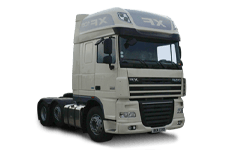
Details to confirm before a truck or lorry quote
Describe the load by weight, dimensions and packing, whether palletised, loose or crated. Ask the recipient whether unloading will be by forklift, at a loading dock or by hand, and whether their site has height, length or weight limits for delivery vehicles. Provide driver licence details and say whether the hire is for business use, so the team can confirm driver and operator requirements with you before booking.
How the right vehicle is confirmed
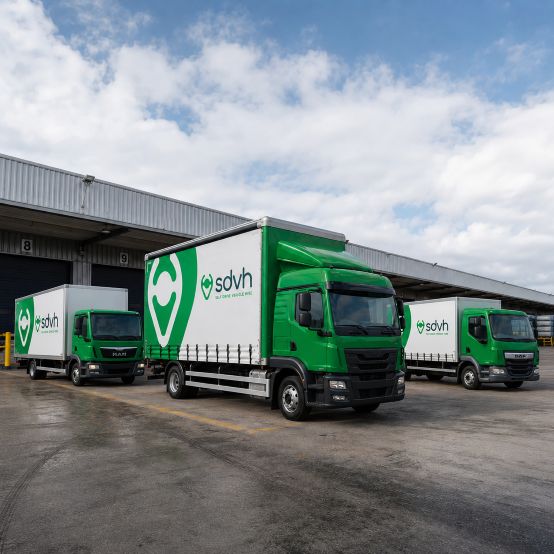
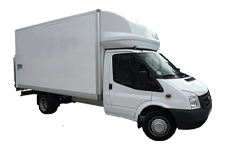
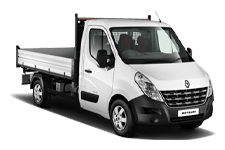
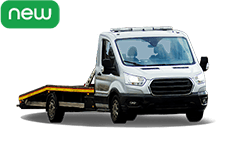
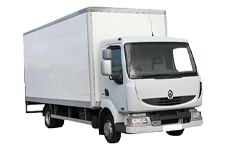
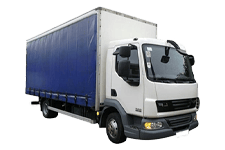
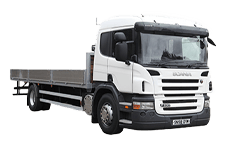
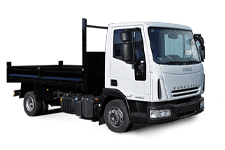
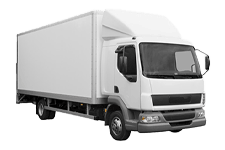
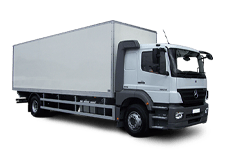
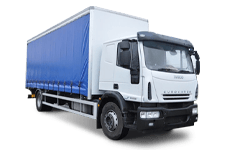
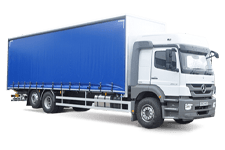
Before picking a truck, look at the payload, the loading height and how the site can be reached. Palletised goods may point towards a curtainsider or a box with a tail lift, whereas building materials and awkward loads may call for a dropside, a tipper or a specialist check. Subject to dates, driver details and availability, the range includes the Ford Luton 3.5 Tonne Box with Tail Lift, 3.5 Tonne Tipper Transit Truck, 3.5 Tonne Recovery Truck, 7.5 Tonne Box Truck With Tail Lift and 7.5 Tonne Curtain Side Truck. The exact make, model, transmission, seats, payload and licence position are all confirmed at quote stage, so treat these vehicles as a guide to the kind of hire on offer rather than a guaranteed reservation of a particular model.
Things to check before booking
Go over the key points before you confirm a hire: vehicle availability, driver requirements, mileage, insurance, delivery or collection arrangements and any extras you have asked for. A commercial truck booking needs more than a date and a postcode, so make sure licence entitlement, the purpose of the hire, the route, loading equipment, access restrictions, mileage and any operator requirements are confirmed before you commit. A useful request gives the date, how long the hire will last, a rough route, the delivery or pickup address, the passengers or load you expect and any special requirements that might affect which vehicle is suitable.
Checking vehicle access dimensions
Before committing to a vehicle, think through every gap it must pass through on the day. That includes gateways, yard entrances, arches and any slope the vehicle would need to negotiate at the delivery point. Rather than guessing, ask the site contact for the measurements of the narrowest point and the height of any overhead obstruction. Compare those figures with the dimensions the team quotes for the vehicle you are considering, and raise any mismatch straight away. If access looks marginal, say so during the booking call, as an alternative vehicle or a different unloading arrangement may be worth discussing. A short conversation with the destination contact usually answers what no amount of planning from a distance can.
Preparing for bulky equipment
Bulky loads deserve a clear description before anything is reserved. Write down what each item is, roughly how large it is and what it is made from, since machinery, sheet materials and palletised goods each present different handling questions. Find out from the recipient what equipment exists at the far end, such as a forklift, trolleys or a loading ramp, and whether anyone will be there to assist. Ask whether the load needs to come off in a particular order, which can shape how the vehicle is packed. If the equipment is being collected from a third party, confirm collection times with them directly. Passing this detail to the team during the booking call helps match the vehicle to the reality of the job.