













Matching a hire car to your passengers and luggage
Tell the team how many people will travel and how many cases, buggies or bulky bags you expect. Seating and boot space are separate questions. Say whether you need an automatic or are happy with a manual, and mention any child seat request early so it can be checked before you are quoted. Include details for every driver who may take the wheel.
How the right vehicle is confirmed
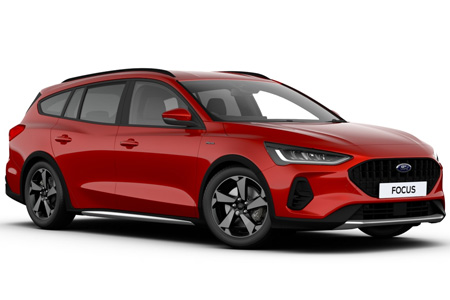
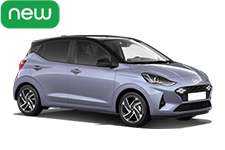
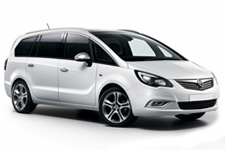
Start with the journey and pick the car to match it. Smaller cars are suited to city driving and short stays, automatics make local driving easier, estates and SUVs give more room for luggage, and people carriers are a better choice for families or small groups. The range available includes the Fiat 500, VW Golf, Ford Focus Estate, Ford Focus Automatic and Hyundai i10 Automatic, subject to dates, driver details and availability. The precise make, model, transmission, seating, payload and licence position are confirmed when you are quoted, so treat the vehicles listed as a guide to the kind of hire on offer rather than a guaranteed reservation of a particular model.
Coordinating more than one passenger
How many people will ride in the car, and how often will that number change? Answering that question early shapes nearly every other choice. A car used for a week of commuting with an occasional passenger can be smaller than one carrying a family of five each day, so think about the busiest journey rather than the typical one. If different colleagues or family members will take turns as passengers, agree how bags, child seats and shared kit will be handled before the hire starts. It is also worth noting whether anyone has particular seating needs or prefers extra legroom on longer runs. Sharing these details with the team lets them suggest a group that fits the reality of your week rather than a rough average.
Keeping a flexible day plan
A hire period rarely goes exactly to schedule, so build some give into your daily plans. If you are using the car for a mix of appointments, visits and errands, leave gaps between commitments rather than stacking them back to back, since a longer-than-expected lunch or a detour can otherwise knock everything out of shape. Decide which parts of the itinerary are fixed and which could slide a day, and note any addresses you will need to hand. Where the day involves collecting or dropping off people, agree rough times with them in advance and let them know if plans shift. A plan with breathing room in it absorbs small surprises without turning into a rushed afternoon of catching up.
Explore other car hire areas
Things to check before booking
Before you confirm the hire, check the key details: vehicle availability, driver requirements, mileage, insurance, delivery or collection arrangements and any extras you have asked for, along with driver age, licence history, the deposit, the insurance excess and any travel abroad. A clear request gives the date, the length of hire, the rough route, the delivery or pickup address, the expected passengers or load, and any particular requirements that might affect which vehicle is suitable.